
Ordinance-or-Law and Roof Matching After a Houston Storm
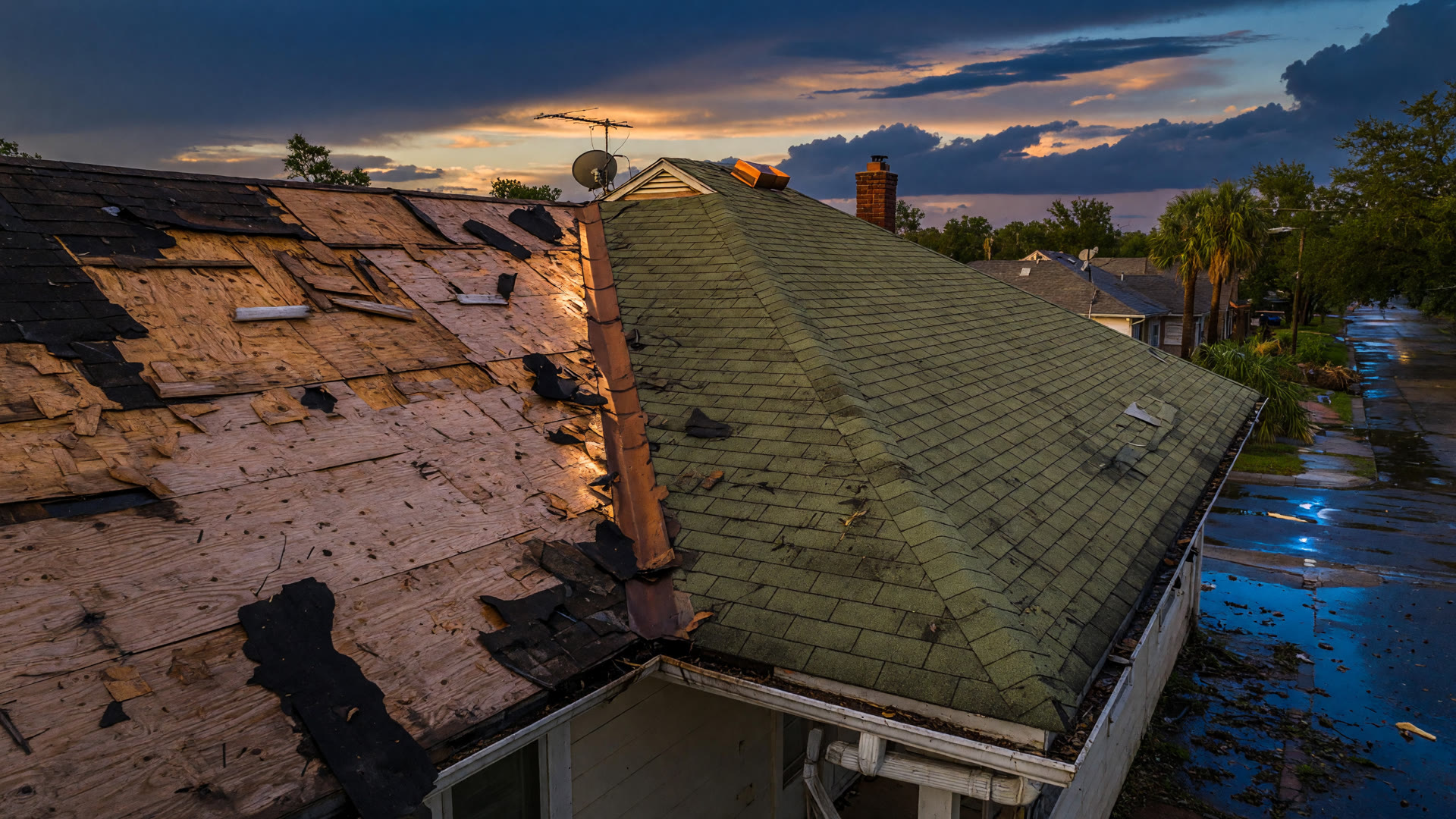
After a Houston storm tears into one slope and leaves the rest looking untouched, many carriers write a check for that single plane and walk away. That is not a full roof settlement. Texas ordinance or law roof matching insurance exists for exactly this fight: code-required upgrades and a uniform finished roof when partial replacement would leave you with a patchwork that violates local rules or the plain language of your policy. If the adjuster is paying the damaged slope and refusing the rest, you are in an ordinance-or-law and matching dispute, not a simple repair estimate argument.
Nixon Law PLLC represents Texas property owners when carriers try to strand them with mismatched shingles, outdated underlayment, and a roof that no reputable contractor will warranty. Call (713) 482-1523 or use our contact page when the carrier’s “scope” stops at the hit face of the house.
What ordinance or law coverage is built to do
Ordinance-or-law coverage is the part of a homeowners or dwelling policy that responds when repair of covered storm damage triggers current building code. It is not cosmetic goodwill. It pays the extra cost to bring the repaired portion—and often the interconnected system—up to the code in force when you rebuild, not the code that applied when the house was built.
In Houston and across Texas, post-storm roof work routinely collides with updated wind ratings, underlayment rules, decking standards, ventilation requirements, and fastening schedules. A carrier that prices 1990s materials on a 2020s permit set is not “honoring the policy.” It is ignoring the ordinance-or-law grant you bought. Review the declarations for separate limits or sublimits labeled ordinance or law, law and ordinance, or code upgrade. Those dollars sit on top of ordinary dwelling coverage for the extra cost of compliance.
Ordinance-or-law usually breaks into three practical buckets: undamaged portion required to be rebuilt or torn off to finish a code-compliant job; demolition and debris tied to that work; and the increased cost of construction to meet current code. Matching fights often live in the first and third buckets when the only way to satisfy code and a uniform weather barrier is a full roof, not a single-slope patch.
The matching problem carriers exploit after Houston storms
Matching is the demand that repaired areas blend with undamaged areas so the finished roof is uniform in material, profile, color, and performance. Carriers love to pretend matching is optional aesthetics. In the field it is a construction and code problem. You cannot leave a ten-year-old weathered slope next to a brand-new slope and call the building envelope restored when the manufacturer will not warranty the mix, the contractor will not stamp the job, and the city inspector will not sign off on a franken-roof.
After wind and storm events in Houston, the pattern is predictable. The field adjuster photographs the slope with missing tabs, creased shingles, or lifted edges. The estimate prices that slope only. The other three slopes are labeled “no storm damage” even when the same product run is discontinued, the color is no longer made, or blending is impossible. The carrier then claims it has no duty to touch undamaged property. That argument collapses when the policy contains matching language, when ordinance-or-law requires a continuous compliant system, or when partial replacement would leave the structure nonconforming under local amendments.
Code upgrades versus cosmetic matching
Keep the two concepts separate in your demand package. Code upgrades are mandatory costs forced by the permit and inspection process—decking thickness, ice-and-water shield in required zones, drip edge, starter strip, fastener patterns, and rated shingles for the wind exposure. Matching is the requirement that the visible and functional roof present as one system. You can win on code alone when the inspector will not approve a single-slope job. You can win on matching when the policy promises materials of like kind and quality and the market cannot supply a blend. Strong files argue both tracks with contractor affidavits, manufacturer discontinuation letters, and municipal code citations—not homeowner preference for a prettier house.
What your declarations and forms must show
Pull the full policy, not the declarations summary the carrier emailed after the loss. Look for ordinance-or-law limits, any percentage cap, and whether Coverage A already includes some code costs. Read the loss settlement and replacement cost provisions for “like kind and quality,” “comparable material,” and any express matching endorsement. Some Texas forms address exterior matching directly; others force the fight through the duty to restore the property to pre-loss condition under current law. If the carrier sold you a thin ordinance-or-law sublimit, that cap becomes a second battlefield—but it does not erase the matching duty on the dwelling coverage itself.
Why paying one slope is not a full roof settlement
A one-slope check is a partial scope, not a compromise. The undamaged slopes remain part of a single roof assembly. Heat, UV, and weather age the old product differently than new product. Water sheds across ridges and valleys as one system. When a storm forces tear-off on the hit slope down to the deck, the ridge, hips, and often the adjacent courses must come up to terminate the new work correctly. Contractors who “match” by dropping a different product line on one face are building a future leak and a denied warranty claim—on your dime.
Carriers know this. They still issue slope-only estimates because many owners cash the check, hire the cheapest patch crew, and never reopen the claim. Do not do that. A partial payment that omits code and matching is an underpayment of a covered loss. Document every refusal in writing. Demand a revised scope that prices full tear-off and replacement where required for a code-compliant, matchable roof. Tie every line item to a policy grant and a code section, not to “what the neighbor got.”
For broader claim strategy when the carrier digs in, see our guide on what to do when a Texas property insurance claim is denied and our property insurance practice overview.
How Texas bad-faith pressure applies when the carrier stops at the damaged slope
Texas Insurance Code Chapter 541 prohibits unfair settlement practices, including failing to attempt in good faith to effectuate a prompt, fair, and equitable settlement when liability has become reasonably clear, and refusing to pay a claim without conducting a reasonable investigation. The statute is published at https://statutes.capitol.texas.gov/Docs/IN/htm/IN.541.htm. When the carrier admits storm damage to one slope, then refuses to investigate matching feasibility, manufacturer availability, or code-triggered full replacement, that is not a good-faith investigation. It is a cost-control script.
Liability for the storm damage is already reasonably clear on the hit slope. The open question is the scope required to restore the roof under the policy and under Houston-area code. A carrier that will not talk to your roofer, will not review discontinuation proof, and will not address ordinance-or-law line items is manufacturing a dispute to keep dollars off the table. That conduct supports extra-contractual exposure under Chapter 541 and related prompt-payment rules when the underpayment drags past statutory timelines. Read more on how we frame these files in bad faith insurance practices against Texas policyholders.
Building the proof that forces a uniform roof
Win this with paper, not volume. Hire a qualified Texas roofer who will write a scope that separates storm-damaged quantities, code-driven quantities, and matching quantities. Get the manufacturer’s current product list and a letter that the existing color or profile is discontinued or cannot be blended on a weathered roof. Photograph ridge, hip, valley, and flashing transitions that make single-slope work improper. Pull the applicable municipal code sections and any Houston or Harris County amendments that control reroof permits.
Submit a written demand that maps each dollar to a coverage grant: dwelling replacement for damaged materials, ordinance-or-law for code extras and required undamaged tear-off, and matching or like-kind language for the remaining slopes. Give a firm deadline. If the carrier answers with the same slope-only estimate, you have a clean record for suit or for leveraged negotiation. Do not sign a broad release for a partial roof check. Do not let a contractor start a patch job that moots the matching evidence before the carrier reinspects.
Owners sometimes confuse this fight with depreciation holdback or actual cash value games. Those are different disputes. Here the carrier is not merely discounting labor; it is refusing entire slopes and code items. Keep your correspondence on ordinance-or-law and matching. That focus keeps the file trial-ready and stops the adjuster from dragging you into side arguments that do not put shingles on the house.
Deadlines and next moves for Houston owners
Policy suit limitations can be shorter than you think, and proof of loss or examination under oath demands still apply. Preserve the roof. Limit temporary repairs to what stops active leaks. Save every estimate, photo, and adjuster email. If the carrier invokes a policy condition, answer it—then return immediately to the incomplete scope. Houston weather does not wait on a second inspection; a documented temporary repair protects the property without surrendering the full-replacement claim.
When the written refusal is in hand, escalate. A Texas policyholder lawyer can re-scope the loss, retain the right experts, and push Chapter 541 exposure while the physical evidence still exists on the roof. Ordinance-or-law and matching cases turn on disciplined proof, not on hoping the carrier “does the right thing” after the next storm season. If your carrier paid one slope and closed the file, the rest of the roof is still your claim.
Frequently asked questions
Does ordinance-or-law coverage automatically buy a full roof in Texas?
No. It pays the increased cost to meet code when covered damage is repaired. Full replacement becomes the necessary scope when code, proper termination of the roof system, or policy matching language makes a single-slope job noncompliant or incomplete. Your limits and endorsements still control how much of that extra cost is insured.
Can the insurer refuse matching because the other slopes have “no damage”?
It will try. “No damage” does not end the analysis if restoring the damaged portion requires tear-off into adjacent slopes, if materials cannot be matched, or if the finished roof would violate code or the like-kind promise in the policy. Force the carrier to address those points in writing with a contractor-backed scope.
What if my ordinance-or-law limit is only a small percentage of Coverage A?
A low sublimit caps the code-upgrade dollars; it does not automatically erase matching duties owed under the dwelling grant. Separate the damaged-material replacement, the matching quantities, and the true code extras so the carrier cannot hide everything under a thin ordinance cap.
Should I let a roofer start the one-slope repair the carrier approved?
Not before you understand how that work affects evidence and warranties. A rushed patch can destroy proof of mismatch and lock you into a non-warranted roof. Stabilize leaks, document everything, and push a revised scope before permanent work proceeds on the carrier’s incomplete estimate.
This article is for general informational purposes about Texas law and is not legal advice. Reading it does not create an attorney-client relationship. Deadlines and outcomes depend on the facts of each matter. Contact Nixon Law PLLC to discuss your situation.
Have a related legal question? Nixon Law PLLC offers a free consultation.