
Underpaid Additional Living Expenses After a Houston House Fire
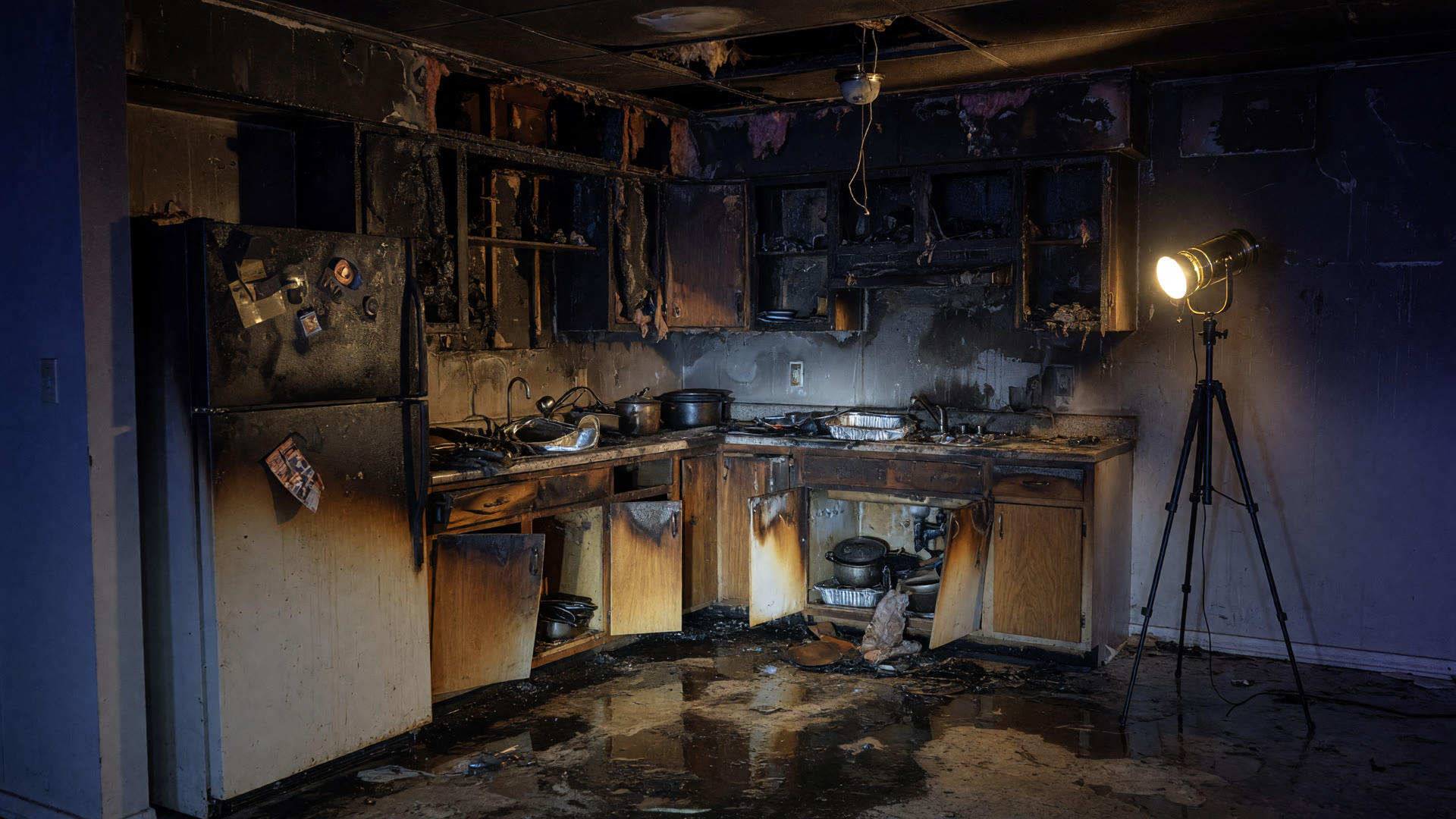
A Houston fire insurance claim additional living expenses fight starts the night the house becomes unlivable. Smoke, structural damage, or a total loss puts your family in a hotel while the carrier slow-walks the dwelling estimate. Loss-of-use coverage—additional living expenses, or ALE—is supposed to keep you housed and fed at a reasonable level until the home is repaired or replaced. In practice, Texas carriers cut hotel rates, deny meal differentials, refuse pet boarding, and terminate benefits before the property is habitable. This post is only about that underpayment pattern after a house fire. Not hail. Not hurricane. Not water. ALE after fire.
What additional living expenses cover after a Houston house fire
Standard homeowners forms pay the necessary increase in living expenses incurred so your household can maintain a normal standard of living while the residence is uninhabitable from a covered fire. That is the core of loss of use. It is not a vacation stipend and it is not a blank check. It is the delta between what you spent before the fire and what you must spend now because you cannot live at home.
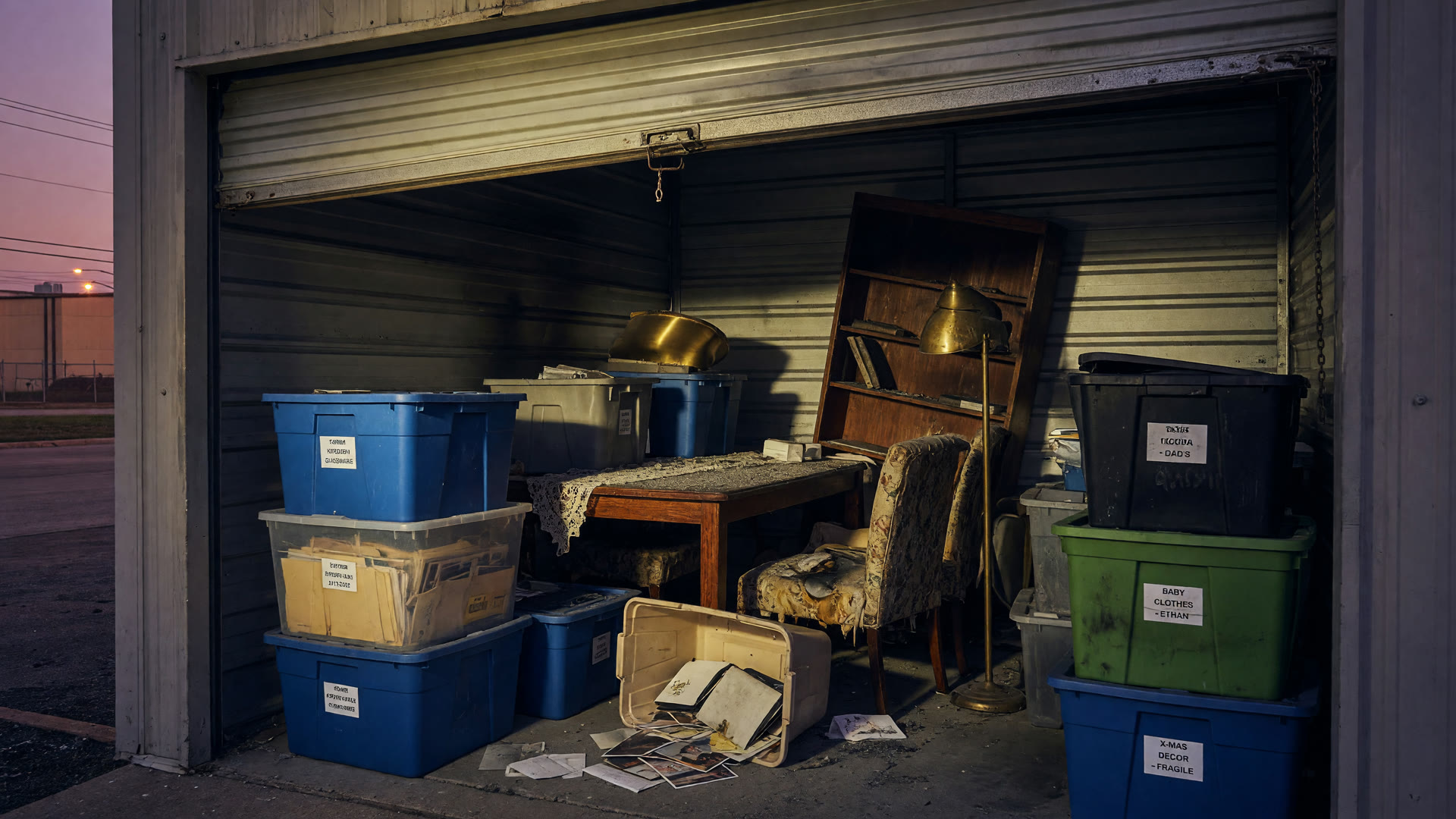
In Houston that usually means a hotel or short-term rental near work and schools, restaurant meals or grocery markups when you have no kitchen, laundry, parking, pet boarding if the temporary unit bars animals, and storage for furniture pulled from the smoke-damaged structure. If the policy includes fair rental value for a portion you rented out, that sits under the same loss-of-use umbrella. ALE ends when the home is repaired, replaced, or when you permanently relocate—whichever the form provides—and subject to the stated limit or time cap.
Carriers love to redefine “necessary” and “normal standard of living” after the fact. A family that lived in a three-bedroom house in west Houston does not have to accept a single extended-stay room with a hot plate forty miles from the kids’ campus. The policy language controls, not the adjuster’s preference for the cheapest motel on the beltway.
Hotel, meals, and extra costs carriers cut on fire ALE
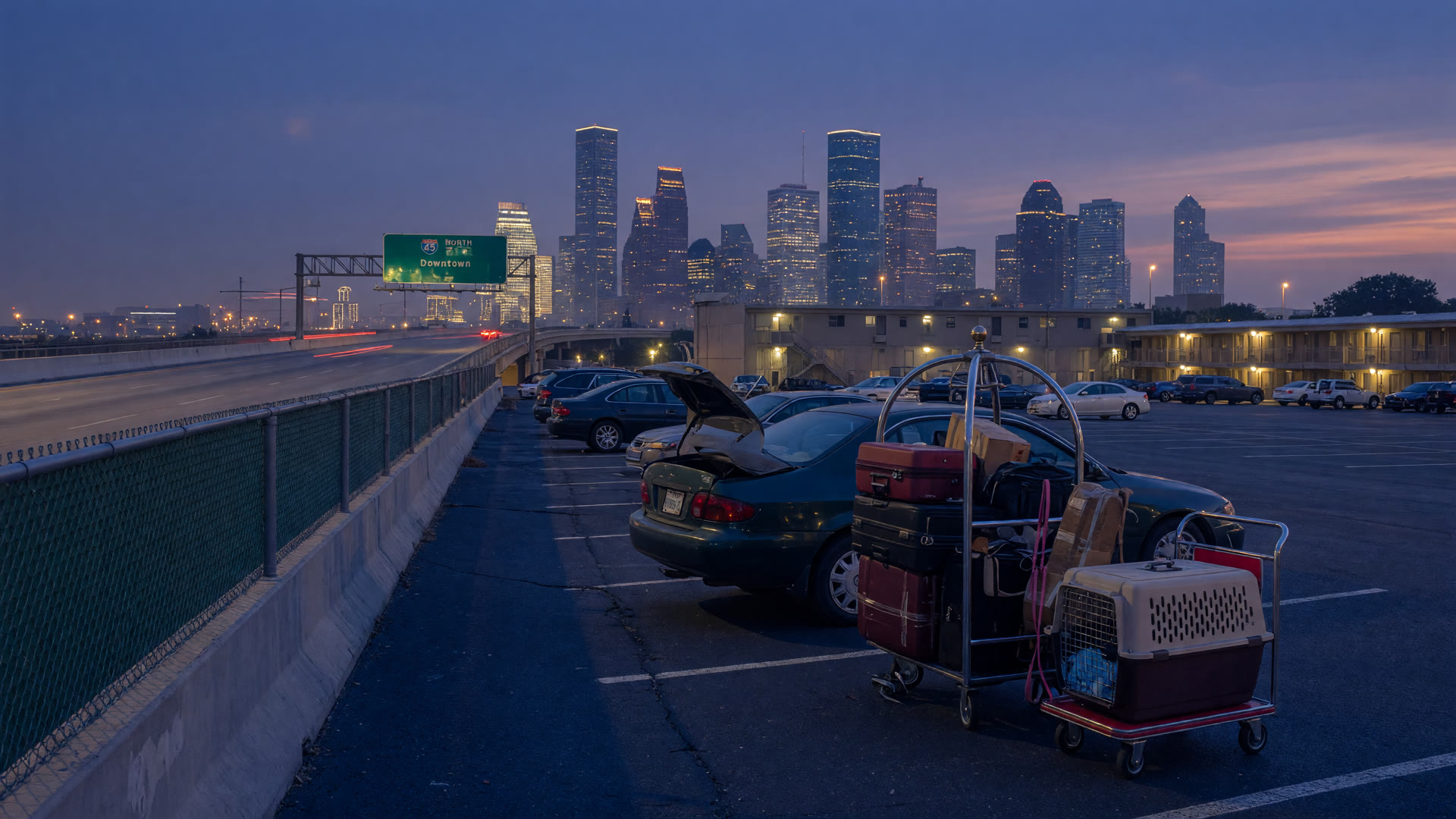
The underpayment playbook on fire ALE is repetitive. Adjusters approve a low nightly rate, then refuse upgrades when that inventory is gone. They demand weekly re-authorization and “lose” invoices. They pay the room and deny taxes, resort fees, and parking. When you move to a short-term furnished rental because the hotel bill is burning the ALE limit, they call the rent “unreasonable” without a market survey.
Meal differentials and kitchen access
If you have no working kitchen, the increase in food cost is a classic ALE item. Carriers still demand itemized restaurant receipts and then subtract an arbitrary “normal grocery” figure they invent. Families cooking on a hotel microwave get told the differential is zero. Keep pre-fire grocery patterns, post-fire receipts, and a simple spreadsheet. The burden is proof of the increase, not perfection.
Pets, laundry, commuting, and storage
Pet boarding or pet-friendly rate premiums are frequently denied as “not dwelling related.” Laundry service when the temporary unit has no machines is cut. Extra mileage to work or school from a distant hotel is ignored. Contents storage while the structure is gutted is reclassified as a contents claim issue so ALE never sees it. Each of those line items is fair game when the fire made the expense necessary to keep the household functioning at a normal level.
How Texas carriers manufacture an early ALE cutoff
The most aggressive cut is the early termination. The adjuster declares the home “habitable” because a portion has power and a bathroom, even while the kitchen is gutted, bedrooms smell of soot, and the contractor has not started. Habitable for ALE purposes means you can reasonably resume normal living there—not that a code inspector would let you sleep on a cot in a burned shell.
Other cutoff tactics: refusing to extend ALE while the dwelling claim is in dispute; tying continued hotel payment to you accepting a low rebuild estimate; claiming the ALE aggregate limit is exhausted because they prepaid months of a cheap motel you never would have chosen; and stopping payment the day they mail a partial dwelling check, as if money in the mail rebuilds framing overnight. In Houston’s contractor market, lead times after a serious fire are measured in months. ALE that dies in week six is not “maintaining a normal standard of living.”
When the dwelling side is underpaid, the repair timeline stretches and ALE exposure grows. That is why carriers pressure you on both tracks at once. For the broader property claim posture, see our Texas property insurance practice area. If the carrier has already denied or stalled the file, read what to do when a Texas property insurance claim is denied.
Prompt-payment pressure on unpaid fire ALE in Texas
Texas Insurance Code Chapter 542 sets claim-handling deadlines and interest consequences when a carrier drags its feet on covered amounts. ALE installments are claim payments. Delayed acknowledgment, endless “additional information” letters that re-ask for the same hotel folios, and silence after you submit a complete ALE package are the fact patterns that put Chapter 542 in play. Read the statute yourself at https://statutes.capitol.texas.gov/Docs/IN/htm/IN.542.htm.
Prompt-payment leverage is not a substitute for proving the expenses. It is the hammer after you have documented the increase and the carrier still will not pay or will not explain. Pair the paper trail with the deadlines explained in our guide to Texas Insurance Code prompt-payment deadlines. Do not accept a verbal “we’ll review it next cycle” as payment.
Documentation that survives an ALE audit after fire
Win the ALE fight with boring, complete records. Save every hotel folio, short-term lease, and payment confirmation. Photograph the temporary unit and the uninhabitable home on the same dates. Keep a meal log with receipts and a short note on why home cooking was impossible. Track mileage if the temporary location added commute distance. Retain pet-boarding contracts and storage invoices. Export bank and card statements that match the receipts so the carrier cannot claim the charges are unverified.
Send ALE submissions in writing, dated, with a clear running total of incurred versus paid. Ask for the remaining ALE limit in writing. If the adjuster says the home is habitable, demand the basis—inspection notes, contractor status, and photos—not a one-line email. When they cut a rate, ask for the comparable properties they used. Silence and shifting stories are evidence. Houston juries understand a family that cannot sleep in a soot-filled house.
- Pre-fire baseline: mortgage or rent, typical groceries, utilities, commute.
- Post-fire actuals: lodging, food, laundry, pets, storage, extra transport.
- Habitability proof: contractor schedules, industrial hygienist or restoration notes, photos of open walls and damaged systems.
- Carrier communications: every ALE approval, reduction, and cutoff in writing.
When to get counsel on an underpaid fire ALE claim
Call counsel when the carrier caps the hotel below market, refuses meal differentials without a real baseline, terminates ALE while repairs are incomplete, or conditions continued living expenses on you signing a low dwelling release. Call when the ALE limit is supposedly exhausted but the math only works if they under-counted your submissions. Call when Chapter 542 deadlines have passed with no honest payment decision.
Nixon Law PLLC represents Texas policyholders on fire claims where loss-of-use is being starved to force a cheap settlement on the structure. We do not coach you to inflate receipts. We force the carrier to pay the necessary increase the policy already promised. Bring the policy declarations, the ALE ledger, and the denial or reduction letters. To schedule a review, use our contact page or call (713) 482-1523.
Fire ALE is a present-tense survival issue. Every week of underpayment is a week your household absorbs a loss the premium was meant to cover. Document the increase, push the deadlines, and do not let an adjuster’s “habitable enough” standard rewrite your policy.
Frequently Asked Questions
Does ALE pay my full hotel bill after a Houston house fire?
ALE pays the necessary increase to maintain a normal standard of living, which usually includes reasonable lodging while the home is uninhabitable. Carriers may dispute the nightly rate, location, or length of stay, but they cannot force you into unsafe or impractical housing just to shrink the bill. Keep folios and written rate comparisons.
Can the insurer stop loss-of-use payments before repairs finish?
They often try, by calling a partially repaired house habitable or by claiming the ALE limit is used up. Coverage generally runs until the home is fit for normal living or you permanently relocate, subject to the policy’s limit and time language. Demand the factual basis for any cutoff in writing.
Are restaurant meals and pet boarding part of additional living expenses?
Increased food costs when you lack a kitchen are classic ALE if you can show the differential over your normal grocery spend. Pet boarding or pet-friendly lodging premiums are often payable when the temporary housing rules or the fire made those costs necessary. Document receipts and the reason the expense exists.
What if the carrier ignores my ALE invoices for weeks?
Submit a complete written package, keep proof of delivery, and calendar Texas Insurance Code Chapter 542 deadlines. Continued silence or repetitive information requests after you have given the same folios can support prompt-payment remedies on amounts that were owed. Do not rely on phone assurances alone.
This article is for general informational purposes about Texas law and is not legal advice. Reading it does not create an attorney-client relationship. Deadlines and outcomes depend on the facts of each matter. Contact Nixon Law PLLC to discuss your situation.
Have a related legal question? Nixon Law PLLC offers a free consultation.