
Wrongful Texas Security Deposit Withholding Under Chapter 92

When a Texas security deposit withholding landlord keeps your refund, skips the required itemized list, or bills you for ordinary wear and tear, you are not limited to polite emails and hope. Texas Property Code Chapter 92 sets a hard thirty-day clock, demands a written accounting when any money is kept, and punishes bad faith with treble damages plus attorney’s fees. Houston tenants who surrender the unit in good order and still get a zero check should treat that statute like a trial deadline—because that is how courts read it.
This article covers residential security deposits only: refund timing, itemization, lawful deductions, bad-faith remedies, and the proof that wins the fee shift. It is not a habitability or mold guide. The full text of the residential tenancy chapter is published at the Texas Legislature’s site: https://statutes.capitol.texas.gov/Docs/PR/htm/PR.92.htm. For the firm’s broader landlord-tenant docket, see Nixon Law’s landlord-tenant practice.
The Thirty-Day Refund Clock Under Chapter 92

After a residential tenant surrenders the premises, Property Code §92.103 requires the landlord to refund the security deposit on or before the 30th day. That is not a courtesy window. It is a statutory duty. “Surrender” means you have moved out, returned possession, and stopped treating the unit as yours—keys turned in, personal property removed, and the landlord able to relet. Argue about the exact surrender date with documents, not memory: move-out emails, key-return receipts, lockbox photos, and the final walkthrough notice.
One condition sits in front of that clock. Under §92.107, the landlord is not obligated to return the deposit or give the written description of damages until the tenant gives a written forwarding address for the refund. Failing to give that address does not forfeit the tenant’s right to the money or to the itemization. It only delays the landlord’s duty. Put the address in the surrender email, the move-out notice, and any later demand—and keep copies. Houston tenants who skip the written address hand the landlord a delay they did not need to give.
If the landlord keeps any portion of the deposit, Chapter 92 requires more than silence. The landlord must give you a written description and an itemized list of all deductions on or before the date the refund is due. A vague line—“cleaning and repairs, $1,400”—is not an itemized list. Dates, work performed, unit of charge, and amounts matter. No list by day thirty, or a list that arrives weeks later with no check, is how bad-faith cases get built.
Keep the envelope, the email header, and the postmark. In Houston disputes, the landlord’s “we mailed it” story often collapses when the tenant can show the only thing that arrived was a demand for more money or nothing at all.
What a Landlord May Deduct—and What Is Off Limits
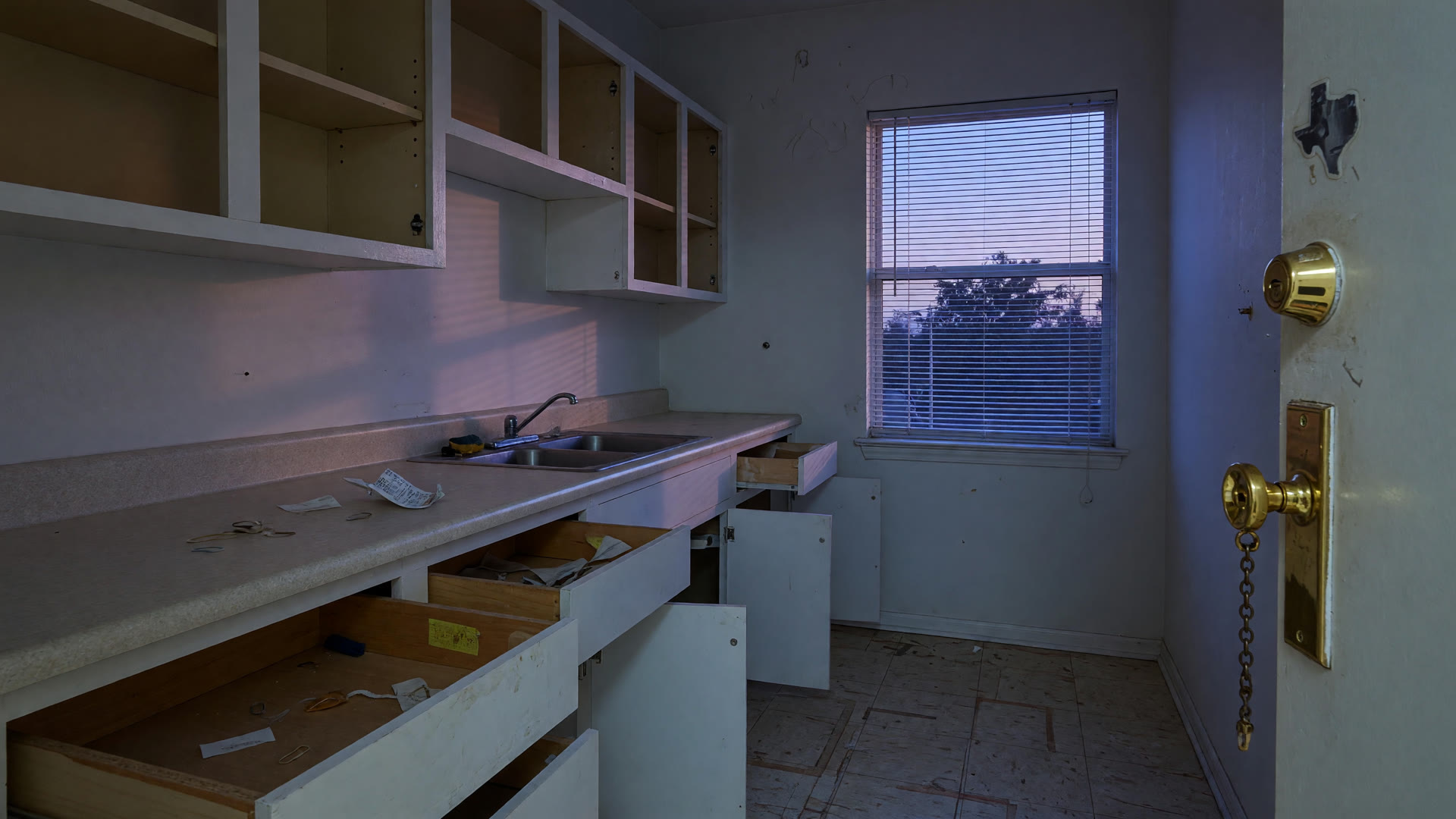
Chapter 92 does not turn the deposit into free money for the owner. Deductions must be for damages the tenant caused beyond normal wear and tear, unpaid rent, or other charges the lease and the statute actually allow. The landlord who repaints every unit between tenancies as a matter of course does not get to bill a one-year tenant for a full paint cycle and call it “damage.”
Normal wear and tear versus chargeable damage
Normal wear and tear is the expected aging of a lived-in home: light carpet paths, minor scuffs on walls, faded paint, loose door stops, hairline caulk cracks, and similar use. Chargeable damage is abuse or neglect—large holes, pet destruction outside any pet addendum rules, broken fixtures from misuse, unauthorized alterations left unfinished, or filth that requires more than ordinary turnover cleaning. Photos on move-in and move-out, dated and room-by-room, decide most of these fights. Without a baseline, the landlord’s contractor invoice becomes the only story in the room. Do not let that happen.
Rent, utilities, and lease charges
Unpaid rent through the lawful end of possession can support a deduction when the numbers match the lease and the ledger. So can certain unpaid amounts the lease clearly shifts to the tenant, if they are real and documented. What does not work is padding: “administrative fees” invented after move-out, double-counted carpet “replacement” on ten-year-old flooring, or full replacement cost when repair would restore the item. Inflated invoices and related-party vendors are fair game for cross-examination. If the charge would not survive a jury’s common sense, do not accept it in a move-out letter either.
Bad Faith, Treble Damages, and Attorney’s Fees
Chapter 92 is not a suggestion memo. A landlord who retains a deposit in bad faith is liable for three times the portion wrongfully withheld, plus $100, plus reasonable attorney’s fees. A landlord who in bad faith fails to provide the written description and itemized list of deductions is liable for the full deposit, plus $100, plus reasonable attorney’s fees. Those fee-shifting terms are why these cases get tried instead of abandoned over a few hundred dollars.
Section 92.109(d) does part of the proof work for you. A landlord who fails either to return a security deposit or to provide a written description and itemization of deductions on or before the 30th day after the tenant surrenders possession is presumed to have acted in bad faith. That presumption is why silence past day thirty is a trial fact, not a paperwork spat. The landlord can try to rebut it. The tenant should not have to start from zero.
Bad faith is also proven with conduct: keeping the money with no accounting, inventing deductions after you demand the refund, ignoring a known forwarding address, charging obvious wear and tear, or stonewalling after a clear written demand. Good faith is not established by a landlord’s claim that “we always do it this way,” or by a property manager’s backlog. The statute cares what the owner did with your money and your paperwork, not how busy the office felt in July.
When the tenant has given a written forwarding address, the landlord bears the burden to prove that the retention was reasonable. Fail to give that address in writing and you hand the landlord an avoidable defense. Put the address in the move-out notice, the surrender email, and any demand letter—and keep copies. Houston tenants who document the address early force the owner to justify every dollar kept.
Proof Package: How You Win the Accounting Fight
Deposit cases are document cases. Before you file, assemble:
- The signed lease and every addendum that mentions the deposit, cleaning, or move-out standards.
- Proof of the deposit payment (receipt, ledger, or canceled check).
- Move-in condition report and photos; move-out photos and video with timestamps.
- Key return or surrender proof and the written forwarding address.
- All landlord emails, texts, and the itemization letter—or proof none arrived by day thirty.
- A simple damages chart: deposit paid, lawful charges you concede, amount wrongfully kept, and the treble math.
Send a short written demand that cites the thirty-day duty, the missing or defective itemization, the amount due, and a firm deadline. Demand letters do not need theatrics. They need dates, statutes, and a number. Mail and email them. If the landlord’s “itemization” arrives only after your demand and still fails to support the deductions, that sequence is evidence of bad faith, not a cure.
Related tenant-rights material on repairs and habitability lives separately at Texas tenant repair and habitability rights; do not mix those claim tracks into a pure deposit file unless the facts truly overlap. Deposit withholding stands on Chapter 92 by itself.
Where Houston Tenants File and What to Ask the Court For
Many residential deposit fights belong in justice court in Harris County or the county where the rental sits, subject to the court’s amount-in-controversy limits. Plead the deposit amount, the portion wrongfully withheld, the $100 statutory sum, treble damages where bad faith applies, court costs, and reasonable attorney’s fees. Attach the lease, the demand, and the photo index. Judges in these courts see bare “cleaning” invoices every week; a clean timeline beats a dramatic speech.
Name the correct defendant. Management companies and on-site staff are not always the landlord under the lease. The owner of record and the party who held the deposit matter. If ownership changed mid-tenancy, Chapter 92 addresses successor liability for deposits—get the assignment and the notice trail before you draft the petition.
Settlement leverage comes from the fee shift. A landlord staring at treble exposure plus fees on a clear no-itemization file often pays the deposit rather than fund a defense. That leverage disappears if you wait months to assert the claim, lose the photos, or never give a forwarding address. Move while the evidence is fresh.
Landlord Excuses That Fail Under Chapter 92
Excuse one: “We mailed the itemization; it must be lost.” Produce your mail log and email. Force them to produce the letter, the vendor invoices, and proof of mailing tied to day thirty.
Excuse two: “The unit was filthy; the deposit is gone.” Filth is a fact question. Photos and a reasonable cleaning invoice can support a partial deduction. A total forfeiture without numbers does not.
Excuse three: “You did not attend the walkthrough, so you waived everything.” Texas Chapter 92 refund and itemization duties are not erased because a tenant missed a landlord-scheduled appointment. Waiver arguments still need lease language and conduct that actually waive statutory rights—most do not.
Excuse four: “Normal turnover costs always come out of the deposit.” Turnover is the owner’s cost of doing business. Only tenant-caused damage beyond wear and tear, unpaid rent, and lawful listed charges belong on the itemization.
Excuse five: “We applied it to last month’s rent.” Unless the lease and the parties’ conduct clearly authorized that application, the deposit is not an automatic rent coupon. Get the ledger.
If the owner still refuses after a tight demand, call (713) 482-1523 or use the Nixon Law contact page. Bring the lease, the photo set, and the day-count from surrender. Texas deposit cases reward preparation and punish delay.
Frequently Asked Questions
Does a landlord have to send the itemization by certified mail?
Chapter 92 requires a written description and itemized list of deductions on or before the refund deadline. It does not require one magic delivery method. Certified mail helps the landlord prove timing; email with a clear PDF can also work if it actually arrives with real detail. Your job is to preserve what you received and when—and to document silence if nothing came by day thirty.
Can I recover attorney’s fees if the deposit was only a few hundred dollars?
Yes, when the statute’s fee-shifting terms apply. Bad-faith retention or bad-faith failure to itemize can put reasonable attorney’s fees on the table even when the raw deposit is modest. That is the point of the remedy: landlords should not pocket small deposits because litigation looks uneconomical. Fee exposure changes the math for both sides.
What if I still owe some rent—do I lose the whole claim?
No. Unpaid rent can justify a lawful deduction, but it does not license the landlord to keep the entire deposit without an accounting or to pile on wear-and-tear charges. Courts can sort conceded rent from wrongful withholding. Your damages chart should net lawful sums and treble only the portion kept without a legal basis.
How long do I have to sue over a withheld Texas deposit?
Deposit claims are still lawsuits with limitation periods that depend on how the claim is framed and on the facts. Do not sit on a clean bad-faith file. The strongest cases are filed while photos, keys logs, and mail records are intact and while the thirty-day violation is obvious on a calendar. Early demand and prompt filing protect both the evidence and the remedy.
Wrongful deposit withholding is a paper fight with statutory teeth. Meet the surrender and address requirements, force the itemization on the Chapter 92 clock, and make bad faith expensive. Houston and Texas tenants who run that playbook recover more than tenants who negotiate against a blank invoice.
This article is for general informational purposes about Texas law and is not legal advice. Reading it does not create an attorney-client relationship. Deadlines and outcomes depend on the facts of each matter. Contact Nixon Law PLLC to discuss your situation.
Have a related legal question? Nixon Law PLLC offers a free consultation.