
Texas Construction Defect Statute of Repose vs. Limitations
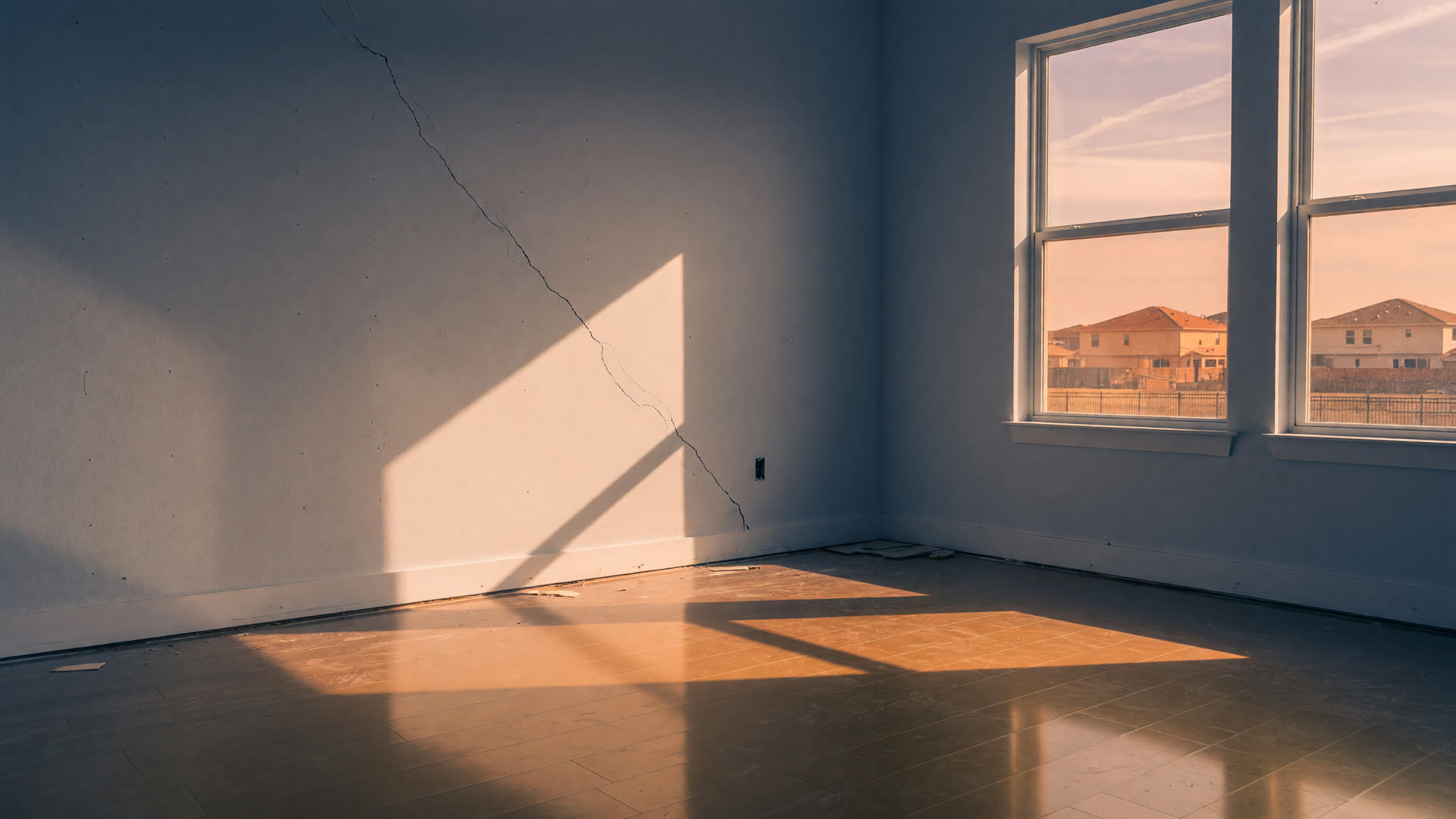
The Texas construction defect statute of repose is the deadline most Houston owners never put on a calendar. It is not the same clock as the statute of limitations. Limitations can wait on discovery. Repose usually does not. Under Texas Civil Practice and Remedies Code §16.009, many claims against the people who constructed or repaired an improvement to real property must be filed not later than ten years after substantial completion. Miss that outer bar and the case is gone—years after closing, years after the last punch list, and often years before the leak, crack, or structural failure shows itself.
This firm tries construction cases for Texas property owners. We do not write general repair checklists here. This post is only about repose versus limitations, how §16.009 actually runs, and how to calendar both clocks so a Houston file is not dead on arrival. For broader defect strategy after you confirm the deadlines are open, see our construction practice area and the related homeowner materials linked below.
Repose Is a Hard Outer Bar; Limitations Is a Different Clock
Owners and contractors mix these terms up constantly. That confusion loses cases.
A statute of limitations measures how long you have to sue after a claim accrues. In Texas property-damage and construction settings, that is often two years for negligence-style injury to property under Chapter 16, or four years for certain contract theories. Accrual can involve the discovery rule: the clock may not start until you knew or should have known of the injury and its cause. That is fact-intensive. It is also not a free pass forever.
A statute of repose measures from an event tied to the work itself—here, substantial completion of the improvement—not from when you found the defect. Section 16.009 is designed to give builders, remodelers, and repair contractors a fixed end date on exposure for listed claims arising out of a defective or unsafe condition of the real property or a deficiency in the construction or repair. Discovery does not restart that ten-year outer period. You can “discover” a latent defect in year eleven and still be barred on repose even if limitations would otherwise look open.
Plain English: limitations asks when the legal injury became actionable. Repose asks whether the Legislature still allows the suit at all against the construction or repair defendant once ten years have run from substantial completion. Both must be open. One open clock is not enough.
What §16.009 Covers—and What It Does Not Pretend to Do
Section 16.009 applies to suits for damages against a person who constructs or repairs an improvement to real property, on claims listed in the statute, arising out of a defective or unsafe condition of the real property or a deficiency in the construction or repair of the improvement. The suit must be brought not later than ten years after the substantial completion of the improvement.
That is the core rule Houston owners need on the wall. It is not a warranty manual. It is not a substitute for reading your contract, your plans, or your homeowner association documents. It is a jurisdictional-style time bar that defendants raise early and often.
Residential construction can be six years, not ten
For a Houston homeowner, ten years is not always the number. Section 16.009(a-2) covers claims arising out of the design, construction, or repair of a new residence, an alteration, repair, or addition to an existing residence, or an appurtenance to a residence. The default outer period is still ten years after substantial completion. But if the person being sued is a contractor who provided a written warranty that meets §16.009(a-3)—at least one year for workmanship and materials, two years for plumbing, electrical, heating, and air-conditioning delivery systems, and six years for major structural components—the claimant must bring suit not later than six years after substantial completion. “Residence” in this subsection means a detached one-family or two-family dwelling or a townhouse not more than three stories, plus qualifying accessory structures. Apartments and other commercial improvements stay on the general ten-year track unless a different subsection applies. Calendar the warranty first. Do not assume you have a decade if a qualifying written warranty is in the file.
Written-claim and last-year injury extensions
Section 16.009(c) extends repose if the claimant presents a written claim for damages, contribution, or indemnity to the person who performed or furnished the construction or repair work during the applicable repose period—not only during the last year. For claims under subsection (a), the extension is two years from the date the claim is presented. For claims under subsection (a-1) (certain governmental-entity claims) or (a-2) (residential claims), the extension is one year from presentation. That is not informal texting. It is not a vague complaint to a sales rep. Treat it as a formal written claim, keep proof of delivery, and diary the new outer date the same day.
Section 16.009(d) is a separate safety valve: if the damage, injury, or death occurs during the last year of the applicable repose period, the claimant may bring suit not later than two years after the day the cause of action accrues. Owners who discover a failure in year nine or year five (on a six-year residential clock) still need that accrual date on the calendar.
Willful misconduct and fraudulent concealment
Section 16.009 does not bar an action based on willful misconduct or fraudulent concealment in connection with the performance of the construction or repair. That is a statutory carve-out, not a slogan. Proving willful misconduct or fraudulent concealment is evidence-heavy. It is not a reason to ignore the ten-year date and “sort it out later.” If your theory depends on the exception, you still need documents, timelines, and a filing plan before the primary repose period runs.
Other Chapter 16 provisions address registered architects and engineers and other design professionals on separate tracks. Do not assume every player on the job shares the same repose profile. Identify each potential defendant, the role each played, and which statute actually fits—then calendar the earliest realistic bar date.
Substantial Completion: The Date That Starts the Ten-Year Repose Clock
Repose under §16.009 runs from substantial completion of the improvement, not from closing day, not from the first night you slept in the house, and not from the date you “noticed something wrong.” Substantial completion is a fact question tied to when the improvement was sufficiently complete for its intended use. In practice, Houston files look to certificates of occupancy, builder final walk-throughs, completion affidavits, final draw applications, final invoices, municipal sign-offs, and contemporaneous emails that show the work was turned over for use.
Remodels and phased work create traps. A whole-house build may have one substantial-completion story. A kitchen addition completed in 2014 and a roof replacement in 2019 may present different improvements and different clocks. A repair contractor who returned for a limited fix years later may argue a separate improvement with its own start date—or may argue the original completion still controls for the system you are suing over. Do not guess. Collect the paper and map each improvement before you spend money on experts.
Owners who bought resale stock are not excused. The repose clock is not reset by your purchase date. If the builder substantially completed in 2015 and you bought in 2022, you inherit whatever time remains under §16.009 against the constructing or repairing parties covered by the statute. That is why late-discovered foundation movement, concealed moisture intrusion, and structural framing defects so often die quietly: the house is “only a few years old to you,” but the improvement is older than ten years to the statute.
Limitations Still Runs Inside the Repose Window
Repose is the ceiling. Limitations is the floor you can still trip over.
Even when ten years have not expired under §16.009, a Texas owner can lose the case on limitations if the claim accrued years earlier and the applicable two- or four-year period ran. Discovery-rule fights are real. So are arguments that you were on notice from earlier repairs, prior inspections, insurance claims, or obvious water stains you ignored. Defendants will plead both bars. Trial counsel calendars both bars.
Contract claims, negligence claims, and statutory claims can carry different limitation periods and different accrual stories. A single defect can support more than one theory. That does not mean you get the longest period automatically for every defendant. Align theory, defendant, accrual facts, and repose in one chart. If limitations is about to run in sixty days and repose is still three years out, you file or you toll with a proper agreement—you do not wait for a prettier expert report.
For how defect claims are framed once deadlines are confirmed open, review Houston construction defect homeowner rights and how to handle construction defects in Texas. Those pages are not substitutes for a repose calendar. They assume you still have a live claim.
Calendar Traps That Kill Houston Homeowner Cases
These are the patterns we see when a file arrives too late:
- Waiting on the builder’s “goodwill” repairs. Years of partial fixes can burn limitations while repose keeps ticking from the original substantial completion.
- Assuming closing or purchase date starts repose. It does not. Substantial completion of the improvement does.
- Treating a resale inspection as year zero. The inspector’s report may start limitations problems; it does not rewind §16.009.
- Ignoring the applicable last year. If you are inside the last year of the ten-year or six-year period that actually applies, the written-claim extension and the last-year injury rule in §16.009 matter immediately. Silence is not a strategy.
- Suing the wrong party first. Naming a seller or a later handyman does not automatically preserve claims against the original constructing or repairing parties if repose is already gone as to them.
- Letting experts “finish the report” past a hard date. An expert cannot resurrect a claim the Legislature has closed.
Houston weather, expansive clay, and fast residential building cycles produce latent defects that surface late. The statute was written with that latency in mind—and it still cuts off many owners. If your home is approaching a decade from completion, treat every wet drywall stain and every door that no longer squares as a deadline problem first and a construction problem second.
How to Calendar Repose and Limitations Before the File Is Dead
Do this in order. Do not reverse it.
- Identify the improvement and the completion evidence. CO, final draw, completion certificate, final payment, punch-list closeout, municipal approvals.
- List every potential constructing or repairing defendant and the work each performed. Separate design professionals if they are in the mix and check the matching Chapter 16 section.
- Mark the ten-year repose date from substantial completion for each covered improvement. If you are in year ten, evaluate a written claim for the statutory extension and diary the extended date.
- Build a limitations timeline from first notice facts: photos, prior repairs, insurance notices, inspector comments, builder emails, and when a reasonable owner should have investigated.
- File or toll before the earlier real-world bar. Repose and limitations are not academic. The earlier date controls your action plan.
- Preserve evidence now—not after the motion to dismiss. Photos, moisture readings, removed materials, contracts, change orders, and payment records.
If the dates are tight, call trial counsel the same week. Nixon Law PLLC can be reached at (713) 482-1523 or through our contact page. Bring completion documents and a short chronology. We will tell you straight whether the clocks are open, closing, or already shut.
Questions Houston Owners Ask About Repose and Limitations
Does a latent defect restart the ten-year repose period?
No. Under §16.009 the ten-year period is tied to substantial completion of the improvement, not to when the defect became visible. Latency is exactly why repose is so dangerous for homeowners. Discovery arguments belong primarily in the limitations analysis, not as a reset button on repose.
If I bought the house five years after it was built, how much time do I have?
You generally have only whatever remains of the ten years from the original substantial completion against covered constructing or repairing parties, subject to any applicable extension or statutory exception. Your purchase date does not restart §16.009. Run the completion date first, then map limitations from your notice facts.
Is sending an email to the builder enough to stop repose?
Ordinary complaints do not stop the ten-year bar. The statute’s extension concept turns on presenting a written claim for damages, contribution, or indemnity during the tenth year, which can extend the period two years from presentation. Outside that framework, do not assume correspondence tolled repose. When in doubt, calendar a filing deadline and get counsel involved before year ten ends.
Can I wait for a full expert report before worrying about these dates?
You can wait yourself out of court. Experts support liability and damages; they do not move statutory bars. Get completion documents and a deadline chart first. Then scope the expert work to fit the time you actually have. A perfect report filed after repose or limitations has run is a paperweight.
Repose and limitations are the first fight in many Texas construction-defect cases, not the last footnote. If your Houston property is aging toward that ten-year mark—or if you just found a problem in a house completed long before you bought it—treat the calendar as the case. The defect can wait twenty-four hours. The statute will not.
This article is for general informational purposes about Texas law and is not legal advice. Reading it does not create an attorney-client relationship. Deadlines and outcomes depend on the facts of each matter. Contact Nixon Law PLLC to discuss your situation.
Frequently Asked Questions
Does a latent defect restart the ten-year Texas construction defect statute of repose?
No. Civil Practice and Remedies Code §16.009 runs from substantial completion of the improvement, not from discovery of the defect. Latency does not reset repose. Discovery issues mainly affect limitations analysis, which is a separate clock that must also remain open.
If I bought my Houston home years after it was built, when does repose start?
Repose against covered constructing or repairing parties still starts from substantial completion of the improvement, not from your closing date. You only have the time left in that ten-year period, plus any narrow statutory extension or exception that actually applies. Map the completion evidence before you assume you have a full decade.
What is the difference between the statute of repose and the statute of limitations on a Texas construction defect claim?
Limitations measures time from claim accrual and can involve discovery-rule fights, often two or four years depending on the theory. Repose under §16.009 is a hard outer bar measured from substantial completion—ten years in the general case, and six years for residential work when the contractor gave a qualifying written warranty—for listed claims against persons who construct or repair improvements. Both must be satisfied; winning one analysis does not save a case barred by the other.
Can a written claim extend the Texas construction defect statute of repose?
Yes. Under §16.009(c), presenting a written claim for damages, contribution, or indemnity during the applicable repose period to the person who performed or furnished the construction or repair work extends the period: two years from presentation for subsection (a) claims, and one year from presentation for residential (a-2) and certain governmental (a-1) claims. Treat that as a formal written presentation with proof of delivery, and diary the new date immediately. Do not rely on informal calls or open-ended repair talks.
Is repose always ten years on a Houston house?
No. The general rule is ten years from substantial completion. If the claim is residential under §16.009(a-2) and the contractor provided a written warranty that meets §16.009(a-3), the outer period is six years. Read the warranty and calendar the earlier date.
Have a related legal question? Nixon Law PLLC offers a free consultation.