
Houston 18-Wheeler Accident Injury Claim: Evidence, Trucking Rules, and Why These Cases Are Different
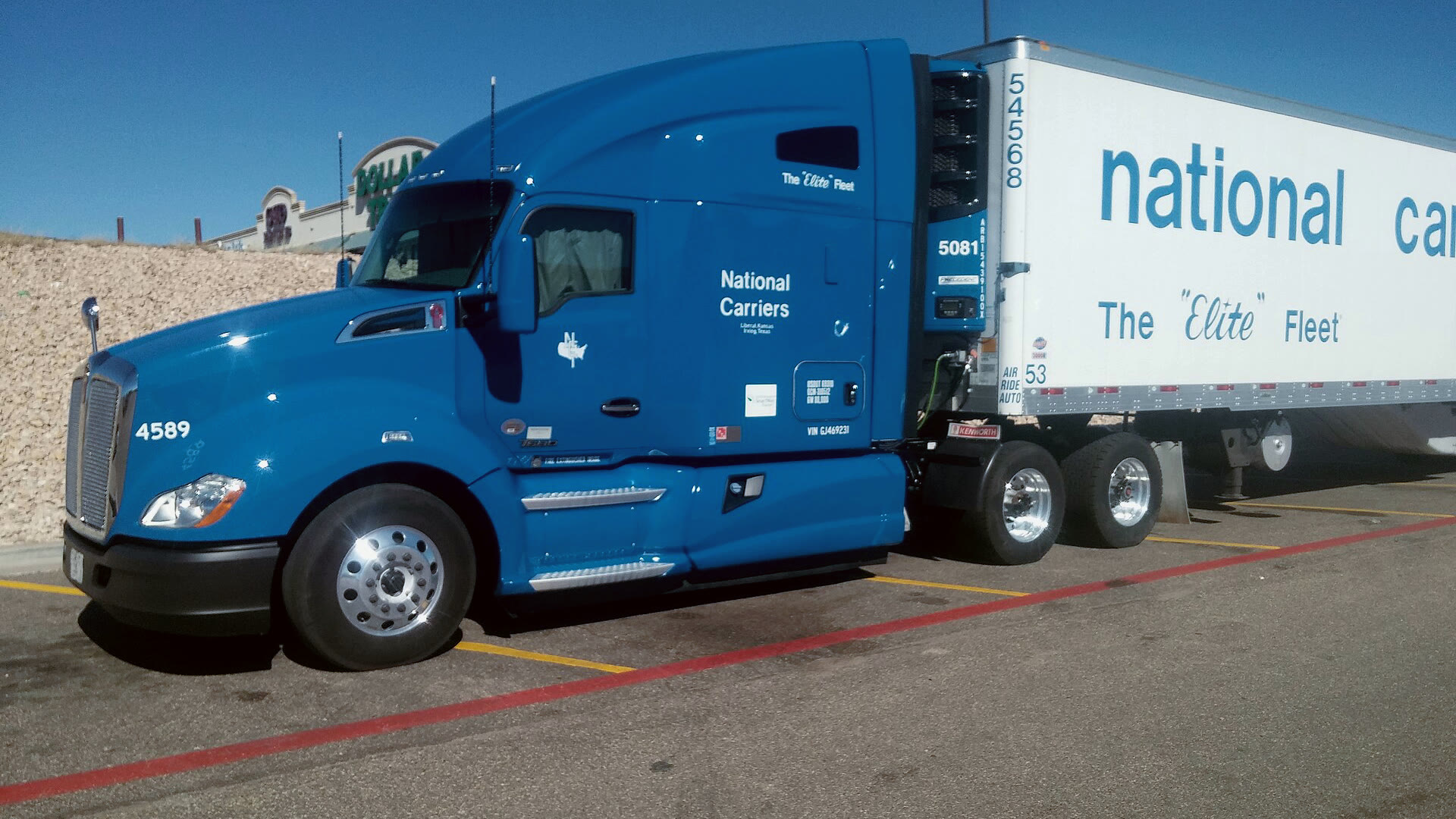
A Houston 18-wheeler accident injury claim is not a bigger version of a passenger-car wreck. When a commercial tractor-trailer hits you on the Gulf Freeway, I-10, or the 610 Loop, the case turns on federal trucking rules, electronic control module downloads, dash-cam footage, and carrier insurance layers that ordinary auto claims never touch. Treat it like a simple rear-end and you hand the trucking company time to wipe the data that proves what the driver did in the seconds before impact.
Nixon Law PLLC tries these files for Texas property owners and injured drivers who refuse to accept a low first offer. The defense already has a playbook. You need one that matches the weight of the truck and the size of the policy stack.
Why Commercial Truck Crashes Are Not Ordinary Car Wrecks
A passenger car weighs roughly 4,000 pounds. A loaded 18-wheeler can exceed 80,000 pounds. The physics alone change injury patterns, vehicle crush, and the cost of medical care. The legal structure changes with it.
In a typical car case you deal with one driver and one liability policy. In a commercial-vehicle case you may face the driver, the motor carrier, a lease operator, a freight broker, a maintenance contractor, and multiple excess insurers. Each defendant has a different duty and a different set of records. The carrier’s safety director and outside counsel start working the file within hours. If your side is still waiting on a police report and a body-shop estimate, you are already behind.
These files also sit under a different regulatory roof. Hours-of-service limits, drug and alcohol testing, driver qualification files, and vehicle inspection rules create duties that do not exist for a private motorist. Breach of those duties is evidence. Ignoring them is malpractice against your own claim. For the broader framework of negligence and deadlines in this state, see our guide to Texas personal injury law.
Trucking Regulations That Decide Liability in Texas
Interstate carriers run under Federal Motor Carrier Safety Regulations. Those rules cover maximum driving hours, mandatory rest, electronic logging devices, medical certification, and cargo securement. Texas adopts and enforces parallel standards for intrastate commercial traffic. When a driver is over hours, falsifies a log, or skips a required inspection, that fact goes straight to negligence and, in the right case, to the carrier’s own hiring and supervision practices.
Key pressure points in Houston truck litigation include:
- Hours-of-service violations and ELD gaps that show fatigue or pressure to meet a delivery window
- Driver qualification files that reveal prior crashes, failed drug tests, or missing medical cards
- Pre-trip and post-trip inspection reports that document brake, tire, or lighting defects
- Maintenance logs and out-of-service history on the tractor or trailer
- Dispatch records and load boards that prove schedule pressure from the company
None of that material appears in a standard police crash report. You obtain it through early spoliation letters, preservation demands, and formal discovery once suit is filed. Carriers do not volunteer bad paper. They produce what you force them to produce.
ECM Data: The Black Box That Can Make or Break the File
Modern commercial trucks carry an electronic control module, often called the ECM or “black box.” It records speed, hard braking, throttle position, engine RPM, cruise-control status, and fault codes in the moments before and after a collision. Some systems store longer windows of operational data. That download is often the cleanest proof of whether the driver was speeding, late on the brakes, or rolling through a stop.
Why ECM evidence disappears if you wait
ECM memory is finite. Continued operation of the truck can overwrite critical seconds. Some carriers pull the unit for “inspection” and then claim the data was corrupted or never existed. Others repair or scrap the tractor before anyone downloads it. Once the module is gone or overwritten, you are left arguing from skid marks and conflicting witness stories.
A serious Houston 18-wheeler accident injury claim starts with a written preservation demand to the motor carrier, the insurer, and any third-party claims administrator. Demand covers the ECM, the engine control unit, any telematics device, ELD data, and the physical tractor and trailer. Send it fast. Follow with a request to inspect and download under controlled conditions with your own expert present. Do not rely on the carrier’s in-house download and a summary printout.
Dash cams, telematics, and side systems
Many fleets run forward-facing and driver-facing cameras. Telematics platforms track GPS location, harsh events, and real-time speed. Lane-departure and collision-mitigation systems may log near-miss and impact events. That footage and those event files are often held by a vendor on a short retention schedule—sometimes 30 days or less unless a litigation hold is in place.
Preservation letters must name dash-cam video, cloud-stored clips, SD cards, and third-party telematics accounts. If the carrier “loses” the video after notice, Texas spoliation law gives the trial court tools to level the field, including instructions the jury can use against the party that destroyed evidence. The point is simple: put them on notice in writing before the auto-delete cycle runs.
Multiple Defendants and Layered Trucking Insurance
Commercial policies are built in layers. Primary liability may sit at one million dollars or more, with excess towers above that. The named insured on the policy may not be the name painted on the trailer. Owner-operators, leased fleets, and freight brokers create coverage fights over who controlled the driver and whose policy responds first.
Early investigation maps the corporate relationships: who hired the driver, who owned the tractor, who owned the trailer, who dispatched the load, and who carried the cargo insurance. Certificates of insurance and MCS-90 endorsements matter. So do lease agreements that shift or share responsibility. A demand package that ignores the excess layers leaves money on the table and invites a low primary offer designed to close the file cheap.
Injury values in these cases often include extended hospital stays, surgeries, future medical care, lost earning capacity, and permanent impairment. Catastrophic truck crashes also raise wrongful-death and survival claims for families. Those damages require life-care planners, economists, and treating specialists who can withstand cross-examination. For how our firm handles serious injury litigation across Houston and Texas, review the personal injury practice area page.
Scene Evidence and the First 72 Hours
Electronic data is critical. So is the physical scene. Commercial wrecks leave long debris fields, gouge marks, fluid trails, and ECM-supported speed estimates that reconstruction experts use to lock down sequence of impact. Photographs of underride damage, trailer ICC bumper condition, lighting, and placards can prove equipment defects or hazmat issues.
If you are able, or if family can help, document:
- All vehicles, license plates, USDOT numbers, and trailer VINs
- Skid marks, yaw marks, and final rest positions before wreckers clear the roadway
- Cargo spill, load shift, or unsecured freight
- Witness names and phone numbers before they leave the shoulder
- Any admission by the truck driver or statements about hours, delivery deadlines, or mechanical problems
Call law enforcement and get medical evaluation the same day even if adrenaline is masking pain. ER records created within hours of the crash carry more weight than a clinic visit a week later. Keep the damaged vehicle available for inspection. Do not let your own carrier total and crush it until your expert has seen it.
Passenger-car claim steps still matter for medical documentation and basic notice, but they are not enough on a commercial file. Our overview of Houston car accident injury steps covers the consumer-side basics; truck cases add the regulatory and electronic layers described here.
How Insurers Attack Houston Truck Injury Claims
Trucking insurers and their counsel run a familiar script. They blame you for sudden stops, lane changes, or “cutting off” the truck. They argue your injuries are pre-existing. They delay ECM production and then produce a partial extract. They push early recorded statements while you are on pain medication. They lowball before the full medical picture is known, hoping financial pressure forces a release.
Proportionate responsibility under Texas Civil Practice and Remedies Code Chapter 33 is part of every defense file. You can read the statute at statutes.capitol.texas.gov/Docs/CP/htm/CP.33.htm. Carriers use it to inflate your percentage of fault and shrink their check. The answer is not a speech about fairness. The answer is hard evidence: ECM speed, dash-cam angle, ELD hours, and reconstruction that pins the truck driver’s choices to the impact.
Do not give a recorded statement to the trucking company’s adjuster without counsel. Do not sign medical authorizations that open your entire life history. Do not repair or dispose of either vehicle until data and inspections are complete. And do not assume the police report’s fault box ends the civil case. Civil discovery reaches further than a roadside investigation.
What a Trial-Ready Truck Case Looks Like
A file built for trial, not for a quick release, includes preserved ECM and camera data, a complete driver qualification and maintenance production, independent reconstruction, treating-physician testimony tied to mechanism of injury, and a damages model that accounts for future care. It also includes corporate deposition notices aimed at the safety director and the custodian of electronic records.
Settlement leverage comes from the carrier’s knowledge that you can pick a Harris County jury and try the case. Paper demands without a trial posture invite paper offers. If you were hit by a commercial truck in Houston, move on evidence first and negotiation second.
To discuss your crash, call (713) 482-1523 or reach the firm through the contact page. Bring the crash report, photos, any USDOT or company names you captured, and a list of providers who have treated you since the collision. The sooner preservation letters go out, the harder it is for the carrier to claim the data vanished on its own.
This article is for general informational purposes about Texas law and is not legal advice. Reading it does not create an attorney-client relationship. Deadlines and outcomes depend on the facts of each matter. Contact Nixon Law PLLC to discuss your situation.
Frequently Asked Questions
How soon should ECM and dash-cam data be preserved after a Houston truck crash?
Immediately. Many telematics and camera systems auto-delete or overwrite within days or a few weeks. A written preservation demand to the motor carrier and insurer should go out as soon as the trucking company is identified, before the tractor is repaired, released to another load, or scrapped.
Who can be liable besides the 18-wheeler driver?
The motor carrier, trailer owner, lease operator, maintenance contractor, and in some fact patterns a freight broker or shipper may share responsibility. Liability follows control of the driver, ownership of the equipment, and who set the dispatch schedule. Coverage often sits in primary and excess layers that must be mapped early.
Is a police report enough to prove a commercial truck was at fault?
No. A report is a starting point, not the case. Hours-of-service logs, ECM downloads, dash-cam video, maintenance records, and driver qualification files frequently contradict or expand what officers could see at the roadside. Civil discovery is built to pull those records.
Should I speak with the trucking company’s adjuster while I am still in treatment?
Not without counsel. Adjusters seek recorded statements and broad medical releases that lock in defense themes before your injuries and the electronic evidence are fully documented. Let your lawyer control the flow of information and the timing of any statement.
This does not represent direct legal advice; should you have any questions or concerns in this particular area, you are encouraged to contact a licensed attorney in the state of Texas to seek legal representation and get answers to your questions.
Have a related legal question? Contact Nixon Law PLLC.
Related Articles
Sep 23, 2026
Texas Uninsured Motorist Claim Houston: Making Your Carrier Pay When the At-Fault Driver Has Only Minimum Limits
Aug 26, 2026
Texas Comparative Fault and the 51% Bar: How Insurers Zero Houston Injury Claims
Jul 8, 2026